For travelers who don't need to "do" Patagonia, but to feel it.
Patagonia is larger than France and Spain combined, and has fewer than one million inhabitants. That ratio of space to people is not a statistic — it is the experience.
Most travelers arrive thinking Patagonia is a destination. By day three, most realise it is a territory — and that the question is not what to see, but which part of it to stand inside.
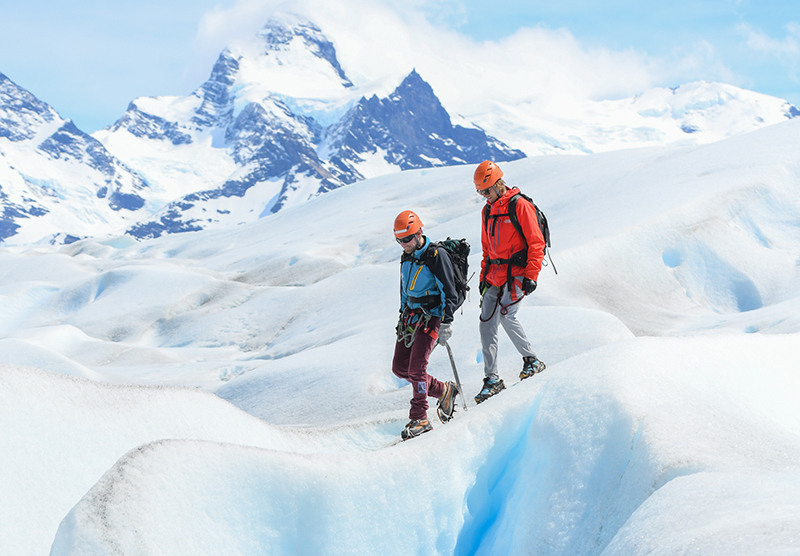
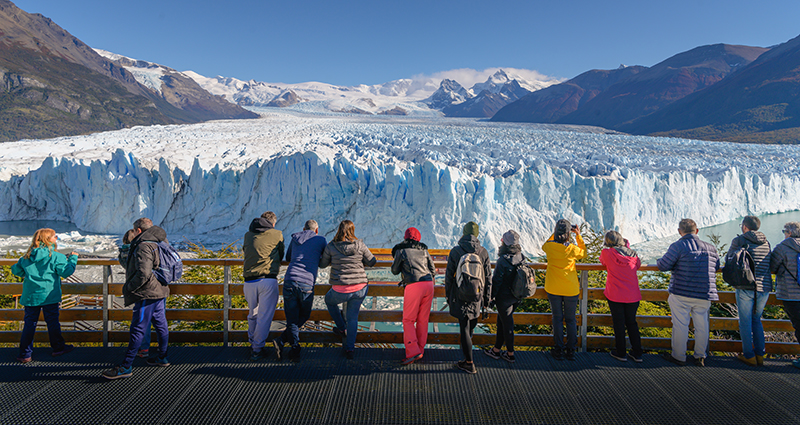
Perito Moreno remains one of the few glaciers in the world still advancing rather than retreating.
In the Patagonian steppe, the wind is not weather — it is a constant companion.
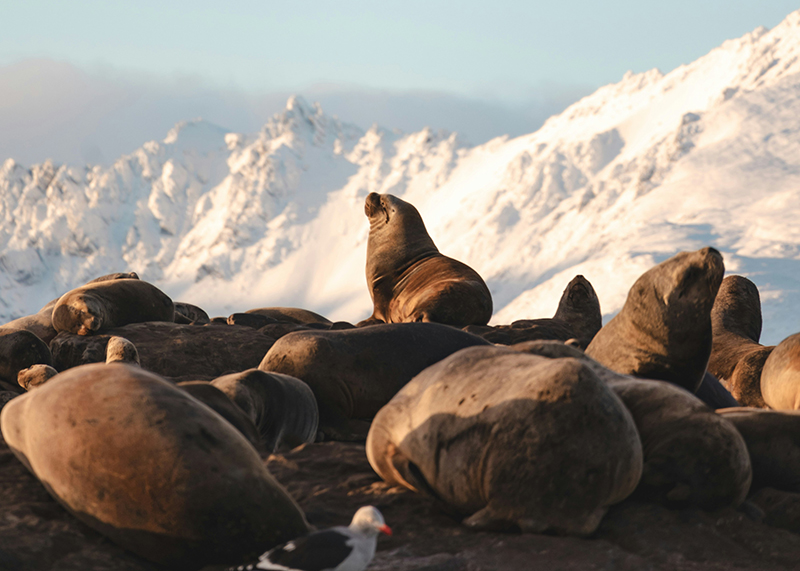
Penguins, condors, sea lions and guanacos in landscapes where nature still outnumbers people.
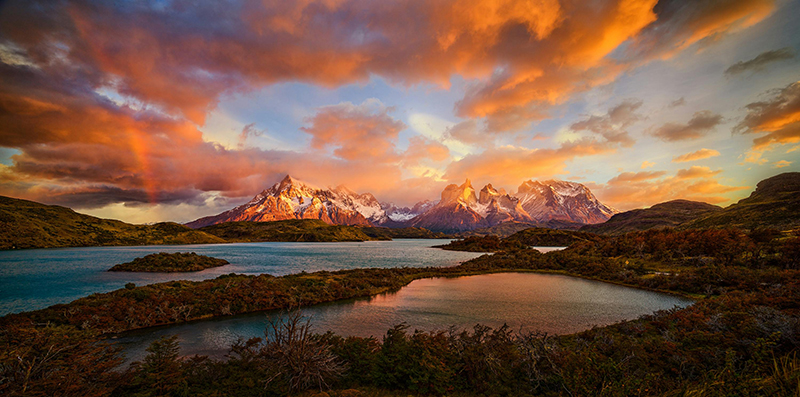
Patagonia is not one place. It is glaciers in El Calafate, granite peaks in El Chaltén, the lake district around Bariloche and the Beagle Channel at the end of the continent. Many different Patagonias inside the same vast territory.
These are not fixed routes. They are starting points.
NO PRODUCTS AVAILABLE
The first sight of Perito Moreno from the boardwalk. The blue you didn't know existed.
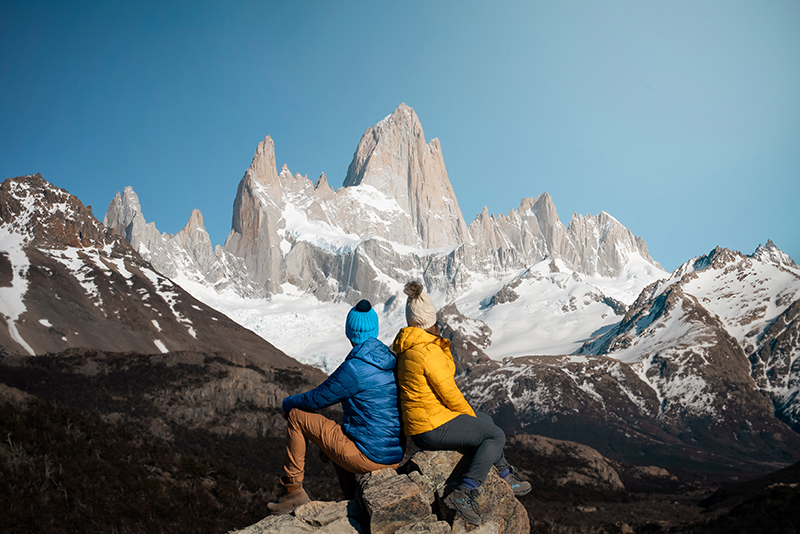
The light on Cerro Fitz Roy at five in the morning, when the granite turns pink for ninety seconds.
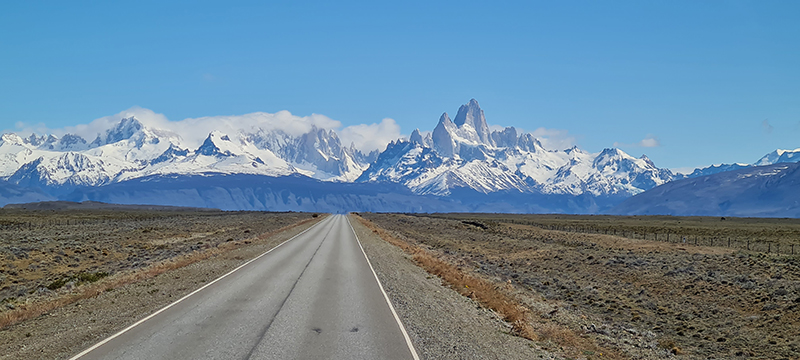
Driving Ruta 40 across the steppe without seeing another car for an hour.
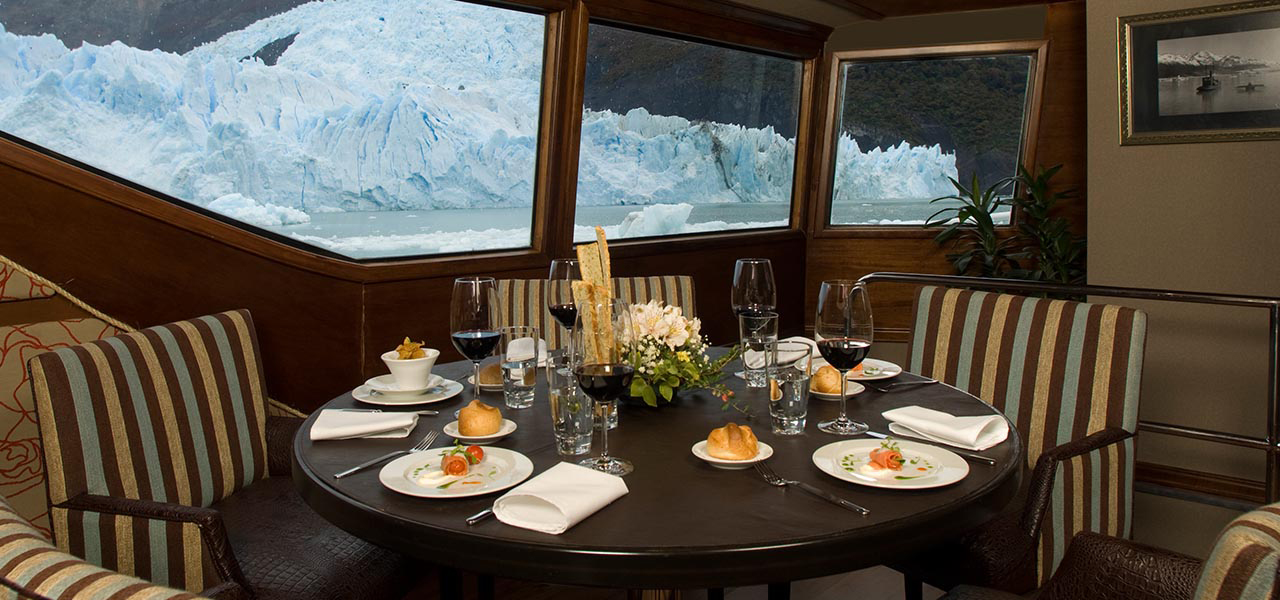
A glass of Malbec at a lodge after a long day outside while the wind keeps hitting the windows.
The Beagle Channel at the end of the afternoon, with sea lions on the rocks and the Andes falling into the water.
A morning when Patagonia's famous wind suddenly stops and everything becomes completely still.
Dry, windy and full of sharp light. Trails are quieter and the landscape begins to wake up.
Peak season. Long days, milder wind and the highest probability of clear weather.
Red forests, fewer travelers and the softest light of the year.
Much of the deep south closes, while northern Patagonia becomes ski country.
Patagonia is reached by domestic flight from Buenos Aires. El Calafate, Ushuaia and Bariloche all have direct daily connections.
Within each destination, private drivers and guides handle the logistics. Between destinations, Patagonia is almost always explored by air rather than by road.
Enough for a focused experience in a single sub-region — typically El Calafate and El Chaltén, or Ushuaia alone.
The ideal rhythm for combining two Patagonias properly without turning the trip into constant movement.
Time for multiple regions, slower days, weather flexibility and the kind of pauses Patagonia rewards most.
If you're wondering whether to focus on the south or the north, whether to add Ushuaia or save it for another time, or how to pace a journey across a region that doesn't compress well — that is exactly what the free call is for.