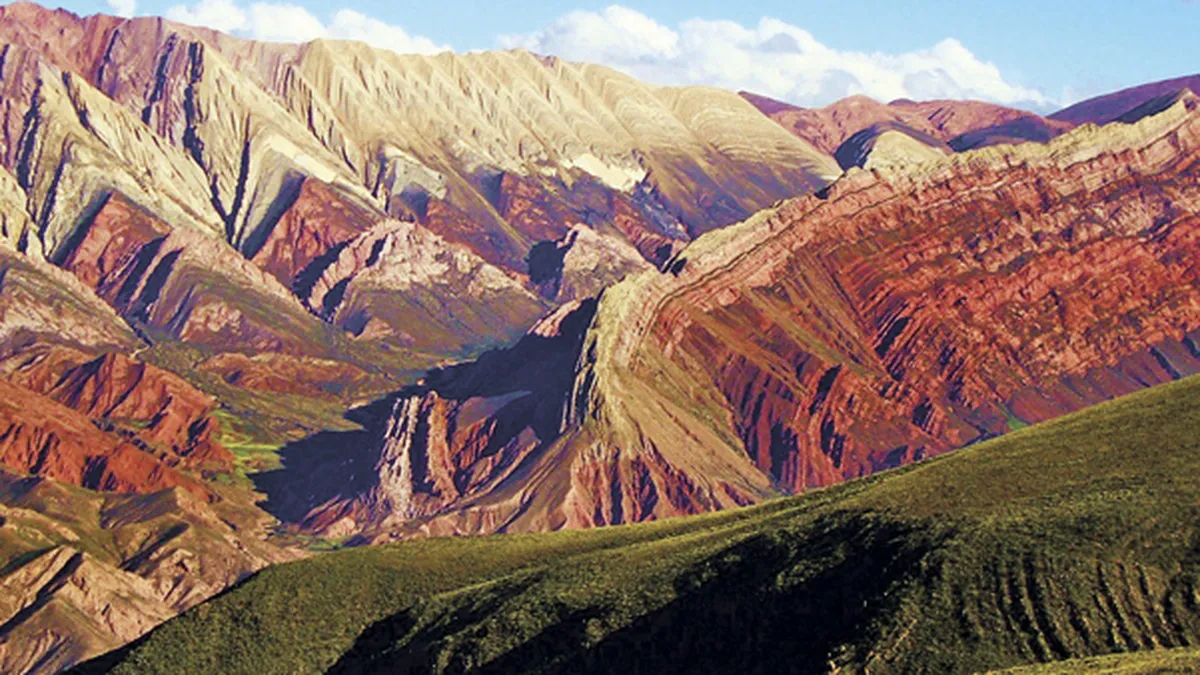
For travelers who want to understand a land shaped by altitude, silence and ten thousand years of human presence.
The Norte is the part of Argentina that feels least Argentine — and that is the point. Up here, the country narrows into a corridor of ochre gorges, salt flats wider than the horizon and villages built from adobe long before the Spanish arrived.
This is not Patagonia's emptiness. It is something older, more inhabited, more layered. A region where indigenous, colonial and republican histories sit on top of one another in plain sight — and where, if you slow down enough, you start to feel them.
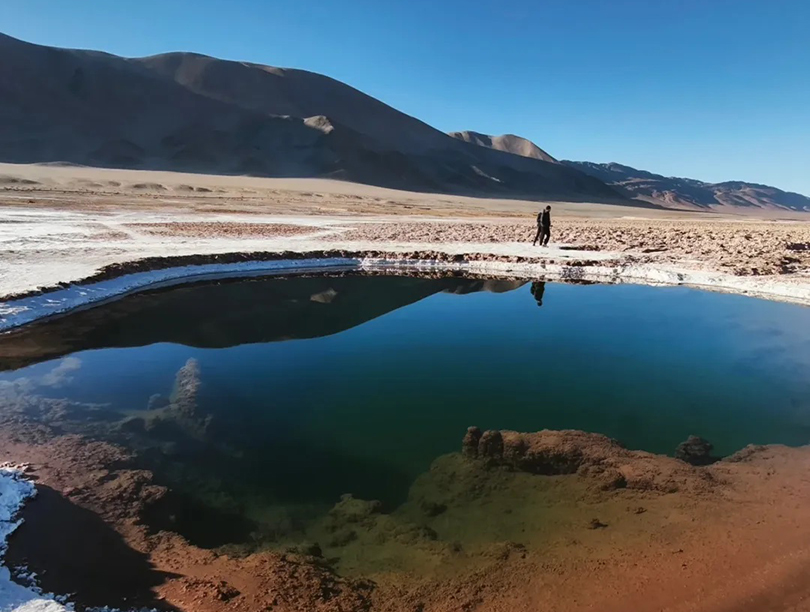
In the Puna, the air is thin, the light is brutal and the silence is total.
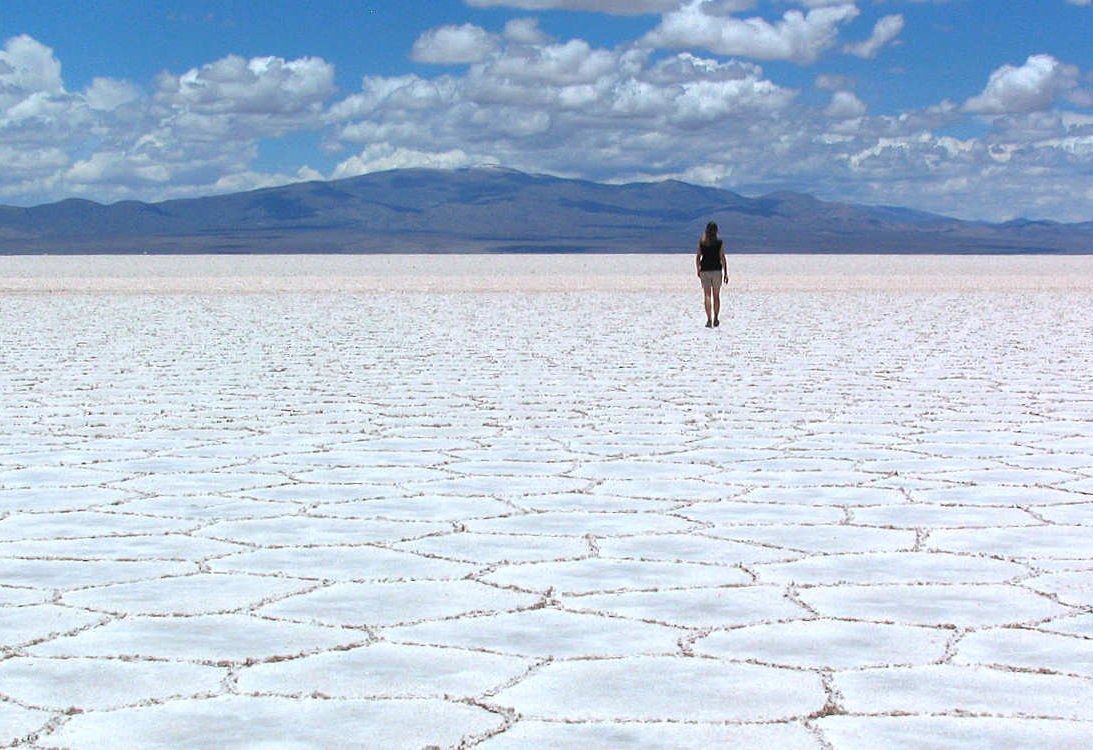
The Salinas Grandes stretch for over 200 square kilometres of pure white at 3,400 metres above sea level.
Quinoa, llama, corn and peppers from the Andes shape the Norte's kitchen.
What makes the Norte extraordinary is not any single landscape. It is the sense that you have stepped sideways out of the Argentina you thought you knew — into a slower, older, more elemental version of the country.
These are not fixed routes. They are starting points.
NO PRODUCTS AVAILABLE
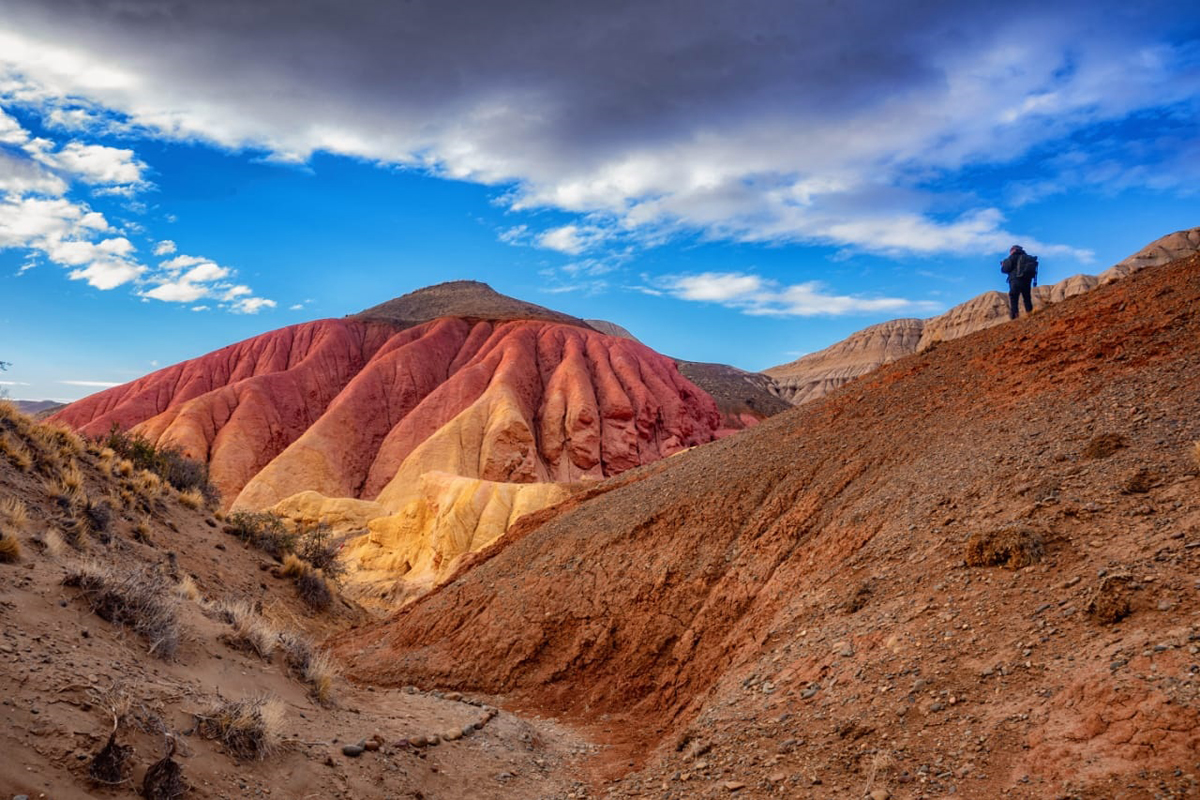
The first time you reach the lookout above Purmamarca and the Cerro de los Siete Colores actually has seven colours.
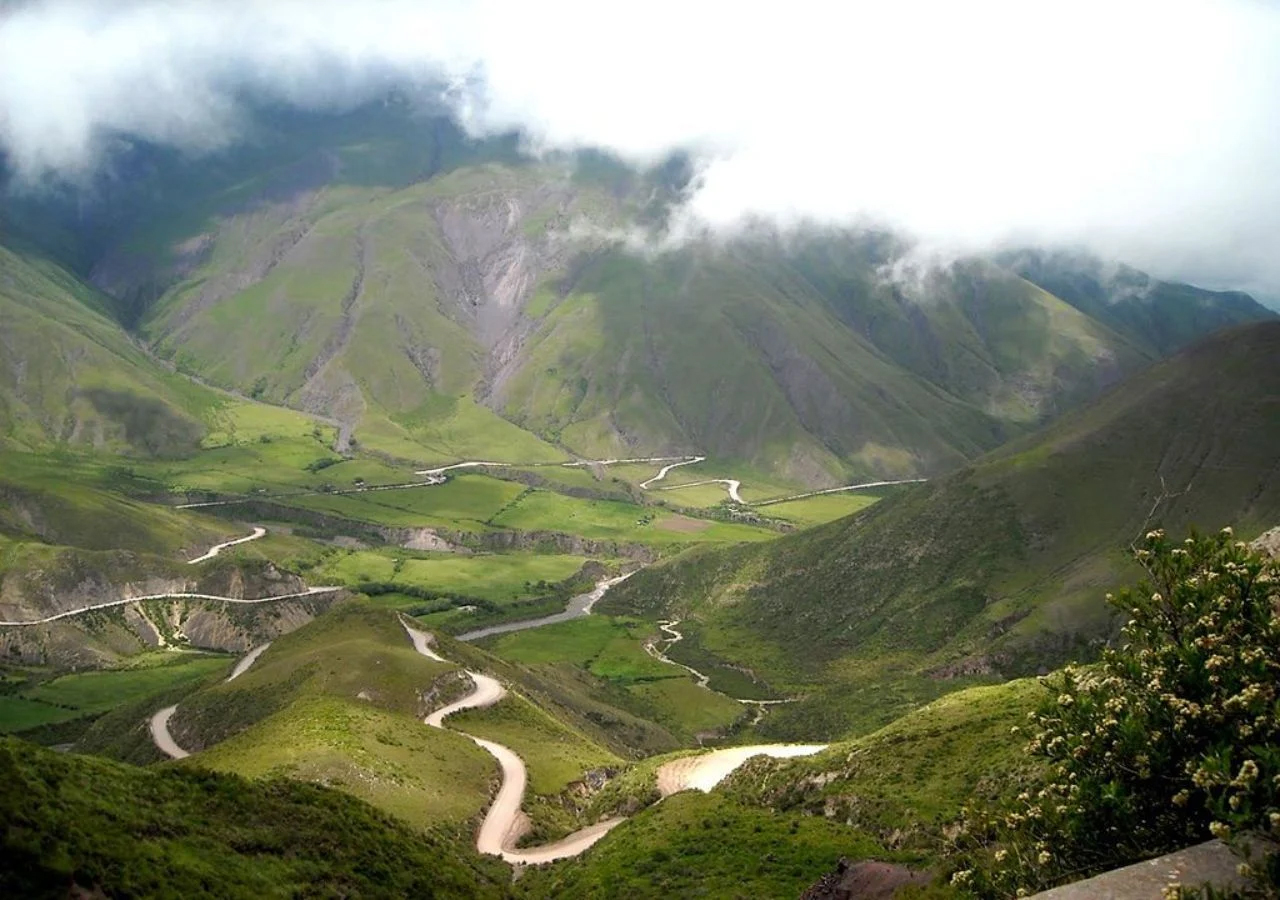
Driving the Cuesta del Lipán as it climbs from 2,300 to 4,170 metres in under an hour.
Stepping onto the Salinas Grandes for the first time and watching the horizon disappear.
An empanada salteña eaten properly at a kitchen in Cafayate while someone explains the recipe hasn't changed in generations.
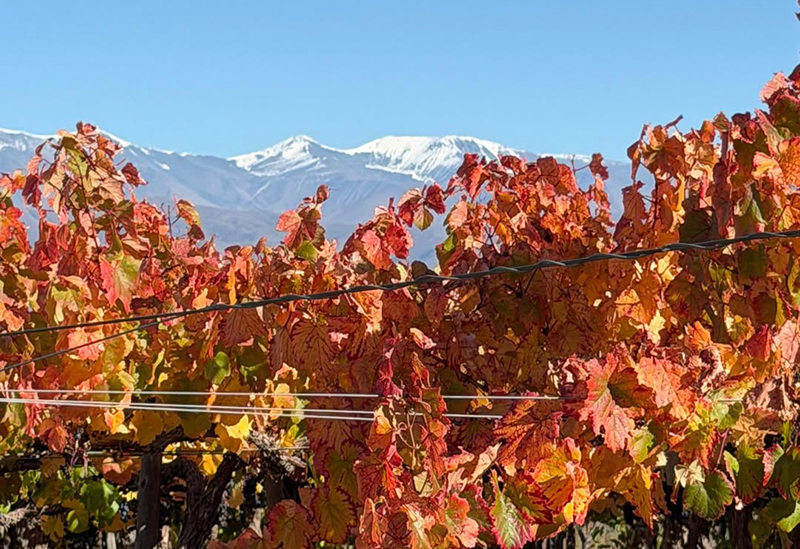
A glass of Torrontés at 1,700 metres while the conversation goes on longer than the bottle.
Sunset on the Quebrada de Humahuaca when the rock face shifts through ochre, copper and violet.
Dry, clear and increasingly warm. The most reliable season to visit.
The green season. Afternoon storms, vivid landscapes and itineraries that need flexibility.
Clear skies, harvest season in Cafayate and exceptional light across the valleys.
Dry, bright and cold. The high-altitude landscapes are at their sharpest and most graphic.
Salta (SLA) and Jujuy (JUJ) both have airports with multiple daily connections from Buenos Aires.
The Norte is a driving region. The roads are excellent and the landscape between places is often the experience itself.
Enough for Salta and a focused taste of the Quebrada plus one high-altitude day.
Enough to acclimatise properly, see the essentials of both Salta and Jujuy and reach the Salinas Grandes.
Time for Cafayate, the Quebrada and the Puna at the right pace rather than the rushed one.
Time to understand the Norte on its own terms and reach the places most travelers never see.
If you're wondering whether to combine the Norte with Buenos Aires, how many days you actually need at altitude, or whether Salta or Jujuy should anchor your journey — that is exactly what the free call is for.